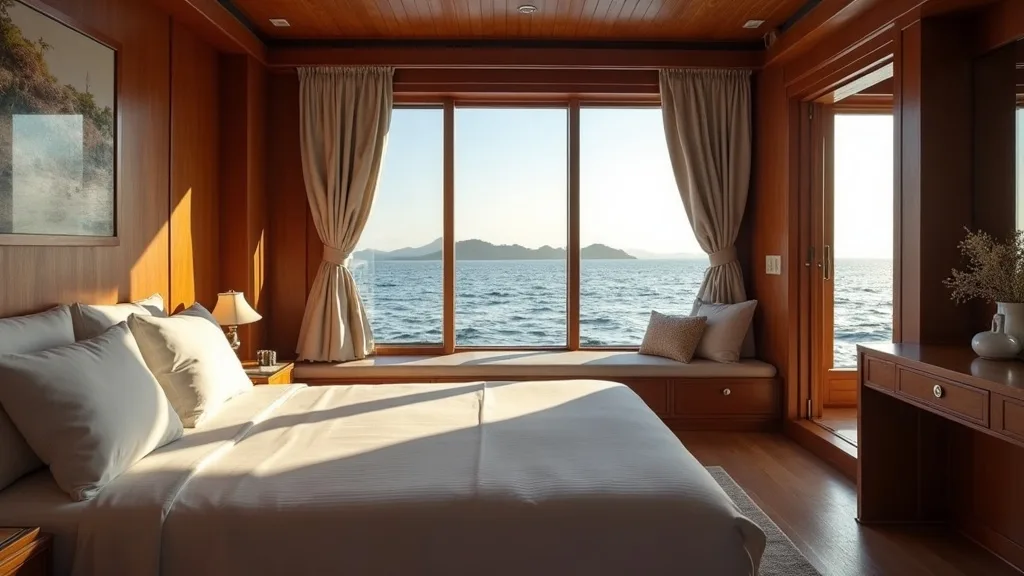
Komodo diving offers a unique blend of lively marine life, stunning coral gardens, and the thrill of encountering manta rays and whale sharks. With private yacht charters operated by Komodo Luxury, your diving experience becomes a tailored journey through this remarkable archipelago.
Signature Komodo Diving Spots
Diving in Komodo National Park is an exceptional experience, with sites like Padar Island, Pink Beach, and Manta Point offering a diverse array of underwater spectacles. Each location is meticulously curated to provide an unforgettable diving adventure.
Highlights of Each Site
- Padar Island: Known for its dramatic ridges and pristine snorkelling opportunities.
- Pink Beach (Pantai Merah): Famous for its distinctive pink sand, ideal for snorkelling.
- Komodo & Rinca: Home to the iconic Komodo dragons, blending wildlife with marine exploration.
- Manta Point: Renowned for sightings of giant mantas, particularly active from December to February.
Vessels & Charter Options
Our fleet includes traditional phinisi, luxury phinisi, and superyachts, each offering unique features to suit your needs.
Vessel Specifications
| Vessel Type | Size | Guest Capacity | Features |
|---|---|---|---|
| Traditional Phinisi | 30–40 m | 10–14 guests | Classic design, 5–7 cabins |
| Luxury Phinisi | 40–55 m | 12–16 guests | Ensuite suites, premium amenities |
| Superyacht | Over 40 m | Up to 12 guests | High-end private charter, ensuite suites |
What’s Included
- Crew, chef, and certified dive guides
- Private charter pricing per night
- Minimum 4-night stay
- Park entry fees and harbour fees
Diving Logistics
Each day typically includes 2–3 dives, tailored to your itinerary. Our certified PADI/SSI dive guides ensure a safe and enriching experience. Open Water certification is required for divers, while snorkelling is open to all, without certification.
Who It’s For
Komodo diving is ideal for adventure seekers, marine life enthusiasts, and those desiring a bespoke luxury travel experience. If you an experienced diver or a passionate snorkeller, our charters offer a tailored adventure in Komodo.
Plan Your Visit
- Explore our charter options
- Review detailed itineraries
- Discover private charter benefits
- For a broader experience, consider our partner luxury product at Luxury Komodo
FAQ
What is the best time for diving in Komodo? The best diving season runs from April to November, with manta season peaking from December to February.
How do I reach Komodo? Fly to Komodo Airport (LBJ) in Labuan Bajo, West Flores, then transfer by sea to your charter embarkation point.
What certification do I need for diving? A minimum Open Water certification is required for diving; snorkelling requires no certification.
What is included in the charter price? The price includes the vessel, crew, chef, dive guides, and all park entry and harbour fees.
Begin Your Adventure
Marine Life & Underwater Biodiversity
Komodo National Park and the surrounding areas in Komodo are renowned for their extraordinary marine biodiversity, offering divers and snorkellers a lively underwater world. The park is home to over 1,000 species of fish, 260 species of reef-building coral, and 14 species of whales, dolphins, and sea turtles. This makes it a dream destination for marine enthusiasts keen to explore its rich ecosystems.
The nutrient-rich currents of the Indonesian Throughflow bring an abundance of plankton, attracting large pelagic species such as manta rays and whale sharks. Divers at Manta Point can witness the striking dance of these gentle giants, especially during the peak season from December to February. Other notable species include the elusive pygmy seahorse, Napoleon wrasse, and lively nudibranchs.
- Manta Point: Known for manta ray sightings.
- Castle Rock: Schooling fish and occasional shark encounters.
- Crystal Rock: Colourful corals and diverse marine life.
- Batu Bolong: Dramatic coral formations teeming with life.
Cultural Experiences & Island Exploration
The Komodo region is not only a haven for marine exploration but also rich in cultural heritage and traditional island life. Visitors have the opportunity to engage with local communities and experience the unique traditions of the region. Whether exploring the traditional villages of the Bajau sea gypsies or visiting local markets, there is a wealth of cultural experiences to be had.
Padar Island, with its iconic panoramic viewpoints, offers an adventurous trek, rewarding visitors with sweeping views of the surrounding islands. Meanwhile, the pink sands of Pink Beach provide a tranquil setting for relaxation and beachcombing. Rinca Island, alongside Komodo Island, offers the chance to see the legendary Komodo dragons in their natural habitat, a truly unique wildlife encounter.
- Padar Island: Trekking and panoramic views.
- Pink Beach: Unique pink sand and snorkelling.
- Rinca Island: Komodo dragon sightings.
- Bajau Villages: Cultural immersion and traditional crafts.
Sample Itineraries & Customisation Options
Komodo Luxury offers a range of itineraries designed to maximise your experience in this stunning archipelago. Each itinerary is meticulously crafted to balance adventure and relaxation, with opportunities for diving, snorkelling, and cultural exploration. Our itineraries range from three to seven nights, catering to different interests and schedules.
For those seeking a bespoke experience, our charters are fully customisable. If your focus is on diving, wildlife, or cultural immersion, our expert crew will tailor your itinerary to ensure a personalised experience. The traditional phinisi and luxury phinisi vessels offer an authentic Indonesian sailing experience, while our superyacht option provides the ultimate in comfort and luxury.
| Itinerary | Duration | Highlights |
|---|---|---|
| Komodo & Rinca | 4 days/3 nights | Komodo dragons, Pink Beach, snorkelling |
| Komodo–Flores | 7 nights | Diverse marine sites, cultural visits |
| Custom Charter | 4+ nights | Fully tailored to your interests |
Onboard Amenities and Culinary Delights
Chartering a private yacht across Komodo offers not only an exceptional diving experience but also the height of luxury and comfort during your voyage. Each yacht is equipped with a range of amenities designed to cater to your every need, ensuring a truly indulgent journey.
Traditional and luxury phinisis, as well as superyachts, boast spacious cabins with en-suite facilities, providing privacy and relaxation after a day of exploration. Onboard facilities typically include plush lounges, sun decks, and dining areas where guests can unwind and take in the stunning ocean views. Some vessels even feature spa services and water sports equipment, enhance the onboard experience.
- En-suite cabins with air conditioning
- Indoor and outdoor dining areas
- Sun decks and lounges
- Spa services and water sports equipment (varies by yacht)
The culinary offerings onboard are another highlight of the private charter experience. Talented chefs prepare a variety of exquisite meals, often inspired by local Indonesian flavours, ensuring that dining is a memorable part of your journey. Menus can be tailored to cater to specific dietary preferences or special occasions, creating bespoke culinary experiences at sea.
Environmental Sustainability and Conservation Efforts
Komodo Luxury is committed to sustainable tourism practices, recognising the importance of preserving the natural beauty and biodiversity of the Komodo and Komodo regions. This dedication is reflected in the operational protocols of each private yacht charter, as well as partnerships with local conservation initiatives.
Efforts to minimise environmental impact include the use of eco-friendly products onboard, waste management systems, and adherence to responsible diving practices. Guests are encouraged to engage in reef-safe behaviours while diving and snorkelling, such as avoiding contact with marine life and using reef-safe sunscreen.
Collaboration with local communities and conservation organisations is pivotal to these efforts. By supporting projects that focus on marine protection, habitat restoration, and environmental education, Komodo Luxury aims to contribute positively to the long-term sustainability of this unique marine ecosystem.
Adventure and Relaxation: Balancing Activities
A private crewed yacht charter allows guests to tailor their itinerary to achieve the perfect balance between adventure and relaxation. With an array of activities available, each day can be customised to match the preferences and energy levels of the group.
For those seeking adventure, the Komodo region offers exceptional opportunities for diving, snorkelling, and trekking. Dive guides lead explorations of lively coral gardens and encounters with striking marine life, while trails on islands like Padar and Rinca provide striking vistas and close encounters with Komodo dragons.
Alternatively, guests can opt for leisurely pursuits aboard the yacht. Enjoy a serene day of sunbathing on the deck, a relaxing massage, or a peaceful evening of stargazing. This flexibility ensures that each guest’s experience is as energising or as restful as they desire, creating a perfectly personalised journey.
To tailor your perfect Komodo diving experience, plan your charter on WhatsApp.
Sustainable Diving Practices in Komodo
Komodo National Park is a renowned conservation area, home to the iconic Komodo dragons and a diverse marine ecosystem. Sustainable diving practices are crucial for protecting these delicate environments. Divers visiting Komodo are encouraged to adhere to established guidelines to minimize their impact. One key practice is maintaining neutral buoyancy to avoid disturbing the seabed and coral formations. Additionally, divers should refrain from touching or collecting marine life, as this can cause harm and disrupt natural behaviors.
Another essential aspect of sustainable diving is proper waste management. Divers should ensure they do not dispose of any waste or plastics in the ocean, as these can have detrimental effects on marine life. Using reef-safe sunscreen is also advised, as traditional sunscreens can contain chemicals harmful to coral reefs. Diving in small groups is recommended to reduce the cumulative impact on dive sites. Finally, respecting local regulations and obtaining the necessary national park permits is vital for preserving the park’s natural resources. By following these sustainable practices, divers can help ensure that Komodo’s underwater wonders remain intact for future generations.
Top Dive Sites in Komodo National Park
Komodo National Park offers some of the world’s most exciting dive sites, each with unique features and marine life. One of the most popular sites is Batu Bolong, known for its vibrant coral reefs and abundant fish species. The site’s strong currents attract large pelagic species like sharks and rays, making it a thrilling spot for experienced divers. Another notable site is Castle Rock, where divers can witness schools of trevallies and barracudas, alongside occasional sightings of dolphins and manta rays.
For those interested in macro diving, Cannibal Rock is a must-visit. Located near Rinca Island, this site is famous for its colorful nudibranchs and rare critters. Manta Alley, as the name suggests, is the place to encounter majestic manta rays, particularly during the dry season from April to November. The park’s diverse dive sites cater to various skill levels, offering something for everyone. Whether you’re an experienced diver seeking adventure or a beginner looking to explore vibrant reefs, Komodo National Park’s dive sites provide unforgettable underwater experiences.
Best Time for Diving in Komodo
The best time for diving in Komodo National Park is during the dry season, which runs from April to November. During this period, the weather is generally stable, with calm seas and excellent visibility, making it ideal for underwater exploration. The peak months of July and August offer the best conditions for spotting large pelagic species like manta rays and sharks, as the nutrient-rich waters attract these marine giants.
However, divers should be aware that the park’s strong currents can vary throughout the year, requiring careful planning and consideration of dive experience levels. The shoulder months of April and November are also great for diving, offering a balance of good visibility and fewer crowds. It’s important to note that all visits to Komodo National Park require a valid national park entry permit, which helps fund conservation efforts and ensures the protection of the park’s unique ecosystems. By planning a trip during the optimal diving season, visitors can maximize their chances of encountering Komodo’s diverse marine life.
Marine Life You Can Encounter
Komodo National Park is a marine biodiversity hotspot, offering divers the chance to encounter a wide variety of marine life. The park’s waters are home to over a thousand species of fish and hundreds of coral species, making it a paradise for underwater enthusiasts. Divers can expect to see vibrant coral gardens teeming with reef fish such as clownfish, angelfish, and butterflyfish.
Pelagic species are also a highlight in Komodo, with regular sightings of manta rays, reef sharks, and even the elusive oceanic sunfish. The park’s nutrient-rich waters support a healthy population of macro life, including colorful nudibranchs, pygmy seahorses, and frogfish. During the dry season, divers may also encounter migratory species such as dolphins and whales passing through the area. The diversity of marine life in Komodo offers something for every diver, from those interested in large pelagic encounters to those fascinated by the intricate details of macro photography.
Diving Equipment and Safety Tips
Divers planning a trip to Komodo National Park should ensure they have the appropriate equipment and are prepared for the park’s unique diving conditions. A full set of diving gear is essential, including a wetsuit, mask, fins, and a buoyancy control device. Given the strong currents in some areas, a reef hook can be useful for maintaining stability while observing marine life.
Safety is paramount when diving in Komodo, and divers should always dive within their certification limits and experience levels. It’s advisable to dive with a local guide who is familiar with the sites and conditions. Checking equipment before each dive and ensuring a thorough buddy check can prevent accidents. Divers should also stay hydrated and be mindful of their air consumption, as some dive sites are remote and may not have immediate access to emergency services. By following these equipment and safety tips, divers can enjoy a safe and rewarding experience exploring Komodo’s underwater wonders.
Komodo Diving Packages and Prices
Diving in Komodo National Park is accessible through various packages, typically organized from the gateway town of Labuan Bajo. Options range from day trips to multi-day liveaboard experiences, catering to different preferences and budgets. Day trips often include two to three dives, with prices depending on the boat type and services offered. For those seeking a more immersive experience, liveaboards provide the opportunity to explore a greater number of dive sites over several days.
Prices for diving packages vary, with factors such as the duration of the trip, type of accommodation, and inclusions such as meals and equipment rental affecting the cost. It’s important to note that all diving trips require valid national park entry permits, which may be included in the package or charged separately. When choosing a diving package, consider the operator’s reputation and their commitment to safety and environmental conservation. By selecting a reputable provider, divers can ensure a memorable and responsible diving experience in Komodo National Park.
Indonesia EV-based transport for tourism
Indonesia is making strides in integrating electric vehicle (EV) technology into its tourism sector, particularly in areas like Komodo National Park. With the increasing focus on sustainability, the Indonesian government has been encouraging the use of EVs to reduce carbon emissions and preserve the natural beauty of attractions like the Pink Beach. The emphasis on conservation within Komodo National Park aligns well with the adoption of EV-based transport, as it minimizes environmental impact while accommodating visitors. Currently, the main access to Komodo Pink Beach is by sea, typically from Labuan Bajo. However, there is potential for EVs to be used in other parts of the park, especially on land routes within the gateway town of Labuan Bajo, which is connected to major Indonesian cities like Bali and Jakarta by short flights. Such initiatives could enhance the visitor experience by providing sustainable and eco-friendly travel options. While the full integration of EV transport in tourism is still developing, the commitment to conservation and sustainable practices is evident in the region’s policies and future plans.
Indonesia high-speed rail extensions
Indonesia is actively expanding its high-speed rail network, which could significantly impact tourism across its islands. The existing connections between major cities, such as Jakarta and Bandung, are set to be extended, potentially improving access to tourism hotspots like Labuan Bajo, the gateway to Komodo National Park. Currently, travelers typically fly to Labuan Bajo from Bali or Jakarta, with flight times around 1.5 hours. The expansion of high-speed rail could provide an alternative mode of transport, offering scenic views and a different travel experience. This development aligns with Indonesia’s broader infrastructure goals, aiming to enhance connectivity and support the tourism industry. While the rail network expansion is still in the planning and implementation stages, it promises to make travel more efficient and may encourage more visitors to explore regions beyond the usual tourist paths. Such improvements in transportation infrastructure are crucial for supporting sustainable tourism growth in Indonesia.
Sustainable tourism Indonesia 2027
Looking towards 2027, Indonesia is focusing on sustainable tourism development, with initiatives that prioritize environmental conservation and community involvement. Komodo National Park, home to the famous Pink Beach, serves as a model for these efforts. The park is managed as a conservation area, emphasizing the protection of its unique ecosystems and the iconic Komodo dragons. Visitors must adhere to national park permits and conservation rules, ensuring that tourism activities do not disturb the natural habitat. The government is also promoting eco-friendly practices, such as using renewable energy and minimizing waste. These initiatives aim to balance tourism growth with the preservation of natural resources, ensuring that future generations can enjoy Indonesia’s natural beauty. By 2027, the goal is to have established a robust framework that supports sustainable tourism across the nation, with Komodo National Park leading the way as an example of successful conservation-minded tourism.
Dynamic pricing for flights in Indonesia
Dynamic pricing for flights has become a key strategy in Indonesia’s tourism industry, helping to manage demand and optimize revenue. Airlines operating between major hubs like Jakarta and tourist destinations such as Labuan Bajo employ dynamic pricing models, which adjust ticket prices based on demand, time of booking, and seasonality. This approach is particularly relevant for flights to Labuan Bajo, given its role as a gateway to Komodo National Park and the Pink Beach, which experience peak tourist activity during the dry season from April to November. Dynamic pricing allows airlines to offer competitive rates during off-peak times, encouraging travel outside the busiest months. This strategy not only benefits airlines but also helps distribute tourist traffic more evenly throughout the year, reducing pressure on popular sites and contributing to sustainable tourism practices. Travelers planning a visit to Komodo National Park can take advantage of these pricing models by booking flights in advance or traveling during less busy periods to secure better deals.
Indonesia AI-powered travel planning
Indonesia is embracing artificial intelligence (AI) to enhance travel planning and provide personalized experiences for tourists. AI-powered platforms can analyze vast amounts of data to offer customized itineraries, recommend attractions, and optimize travel routes. For visitors to Komodo National Park, such technology can suggest the best times to visit the Pink Beach based on weather conditions, permit availability, and conservation guidelines. These platforms can also integrate flight and accommodation bookings, streamlining the travel planning process. As the gateway to Komodo National Park, Labuan Bajo stands to benefit significantly from AI-driven solutions, which can improve visitor management and enhance the overall tourist experience. By leveraging AI technology, Indonesia aims to provide seamless and efficient travel experiences while promoting sustainable tourism practices. This approach not only enhances visitor satisfaction but also supports the country’s broader tourism development goals.
Indonesia fintech payments adoption
Indonesia’s adoption of fintech payment solutions is transforming the tourism sector, offering convenience and security for both domestic and international travelers. With the rise of digital payment platforms, visitors to destinations like Komodo National Park can easily manage transactions for permits, tours, and accommodations. Fintech solutions are particularly beneficial in remote areas such as Labuan Bajo, where traditional banking infrastructure may be limited. By enabling cashless transactions, these platforms support the seamless operation of tourism services and enhance the visitor experience. The integration of fintech into the tourism industry also aligns with Indonesia’s push towards a digital economy, promoting financial inclusion and supporting local businesses. As fintech adoption continues to grow, it is expected to play a crucial role in facilitating travel and tourism across Indonesia, making it easier for tourists to explore attractions like the Pink Beach without the hassle of carrying cash or dealing with currency exchanges.